
How to Make AI Brainrot Videos in 2026
Hi everyone, it's Dora. I tested 12 tool combinations to figure out what actually makes brainrot content work in 2026. Three were a complete waste of time. Two produced results I'd genuinely post. Here's what I learned.
Brainrot crossed from internet niche to documented cultural phenomenon faster than most genres manage. Oxford named "brain rot" its Word of the Year in 2024. Fortnite added Italian brainrot character skins in April 2026. The question for creators now: can you make it fast enough to matter and smart enough to not get buried by TikTok's 2026 algorithm? Both problems are solvable with the right AI stack.
What "Brainrot" Content Actually Is
From Meme Genre to Algorithm-Friendly Format
Brainrot isn't a content category the way "tutorial" or "product review" is, but it increasingly behaves like a Brainrot AI Video production format. It's a set of aesthetic commitments: surreal visuals + absurdist logic + fast-cut editing + deadpan narration that treats the ridiculous with complete sincerity. The viewer's brain can't fully process what it's seeing, which drives replays — and replays are what TikTok's 2026 algorithm rewards most.
A 2025 American Psychological Association review of 71 studies linked excessive short-form video consumption to diminished cognitive functions, partly via the dopamine-loop mechanics of absurdist, high-novelty content. Creators increasingly rely on TikTok Brainrot AI workflows to structure this type of output, optimizing repetition loops while keeping surface-level variation high.
Sub-Styles — Italian Brainrot, Skibidi, Absurdist Narratives
Italian brainrot — dominant through mid-2025 — uses AI-generated hybrid creatures with pseudo-Italian names: Tralalero Tralala (shark in Nikes), Bombardiro Crocodilo (crocodile-bomber), Bombombini Gusini. Deliberately sloppy AI imagery, exaggerated Italian-accented TTS. Original characters have documented creators and IP implications.
Skibidi brainrot originated with DaFuq!?Boom!'s Skibidi Toilet series. Clearer IP ownership attached — derivative fan content on TikTok is generally tolerated, monetizing it is not.
Absurdist narrative brainrot — your own surreal characters, your own unhinged lore, AI handles the visuals. Most flexible, zero IP exposure. Where most durable channels are being built right now. For new creators: start here.
Tools Behind Brainrot Videos
Image Generation for Characters
The brainrot aesthetic benefits from mid-quality, slightly uncanny imagery — not photorealistic, not clean. This isn't a failure mode. It's the intended output.
Prompting sweet spot: two incompatible things combined literally, plus a specific clothing detail. Midjourney v7 and DALL-E 3 both work. Better cross-frame character consistency with Midjourney's --cref flag. Free option: Adobe Firefly's generative fill for extending frames without regenerating the full image.
Image-to-Video for Motion
This is where most people waste the most money. Brainrot doesn't need smooth motion — slight animation jank often enhances the aesthetic.
At the center of this workflow is an AI Brainrot video generator, where scripts and visuals are continuously regenerated. Runway Gen-4 handles short character animations well. Kling AI produces more stylized, weirder output that suits the format; its 3-second looped clips outperformed longer sequences in my tests. Hailuo AI is worth testing for more motion expressiveness on a lower budget.
TTS and Voice for Narration
Brainrot narration tone: complete earnestness about something objectively ridiculous, often produced through tools commonly used in AI Brainrot maker workflows.
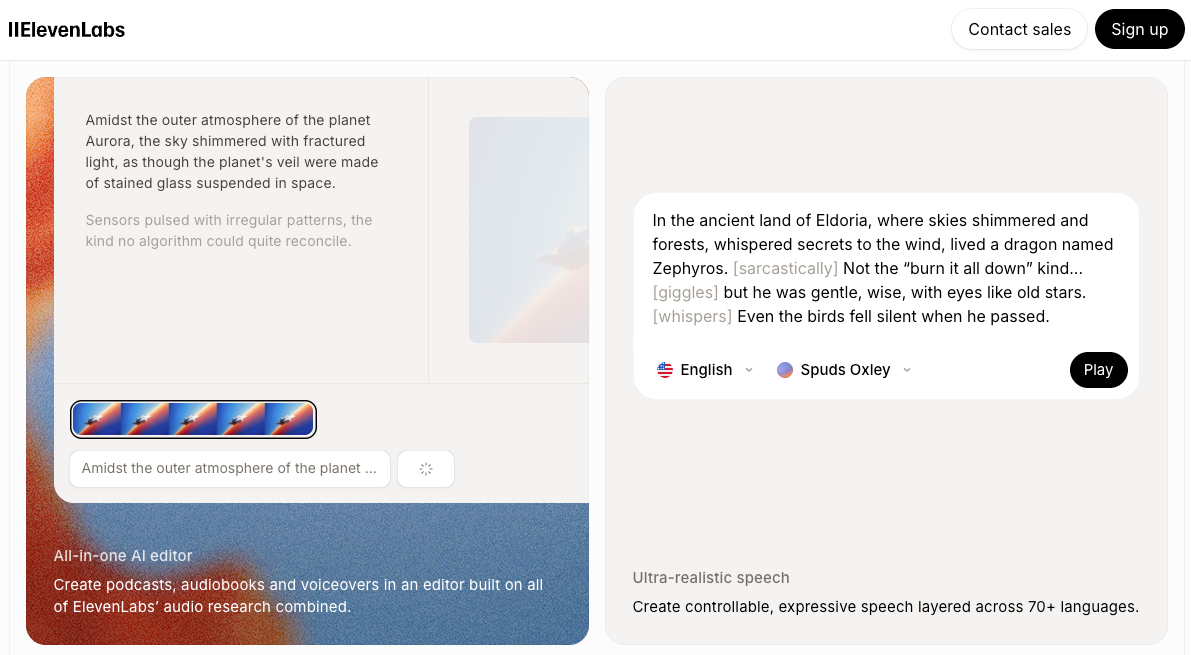
ElevenLabs is the default. The specific voice matters more than people realize — avoid their popular "dramatic narrator" presets, they're overused. Slightly older, slightly formal voices produce the documentary sincerity the format needs.
Editing for Rapid Cuts and Captions
This is the step that kills production velocity. Three non-negotiables: rapid cuts (1.5–2.5 second average clip length), large on-screen captions synced to narration, and a secondary audio layer that's slightly too loud. Getting all three right manually across multiple videos is genuinely painful.
This is where an AI editing agent like NemoVideo earns its place — not as a brainrot generator, but as the tool that handles caption sync, audio layering, and cut timing so you're not spending 45 minutes per video on mechanical assembly. You still direct it. You stop doing the boring parts by hand.
Step-by-Step Workflow
Pick a Brainrot Sub-Genre
Decide before you open any tool — it determines prompting approach, narration style, and IP exposure. Original absurdist creatures: full control, zero IP risk.
Generate Character Frames
Formula: [Animal] + [Object/Vehicle] + [clothing detail] + [color] + [absurd trait]
Example: Anthropomorphic pelican fused with vintage microwave, wearing oversized Timberlands, beige and chrome, predicts stock markets with 100% accuracy.
Generate 3–5 frames per character. Enough variation to suggest movement across cuts without animating every frame.
Animate with I2V
Keep clips short: 2–4 seconds per generation. Prompt the motion specifically — creature turns head slowly, blinking, slight tremor in wings — not vaguely. Vague motion prompts get vague results.
Add Narration, Captions, SFX
Write the narration script first. This is the creative core. Script formula:
Introduce character with absurd name, stated with complete authority
State one fact as if it's geopolitically significant
Reference an enemy or rival
End on unresolved tension or dramatic proclamation
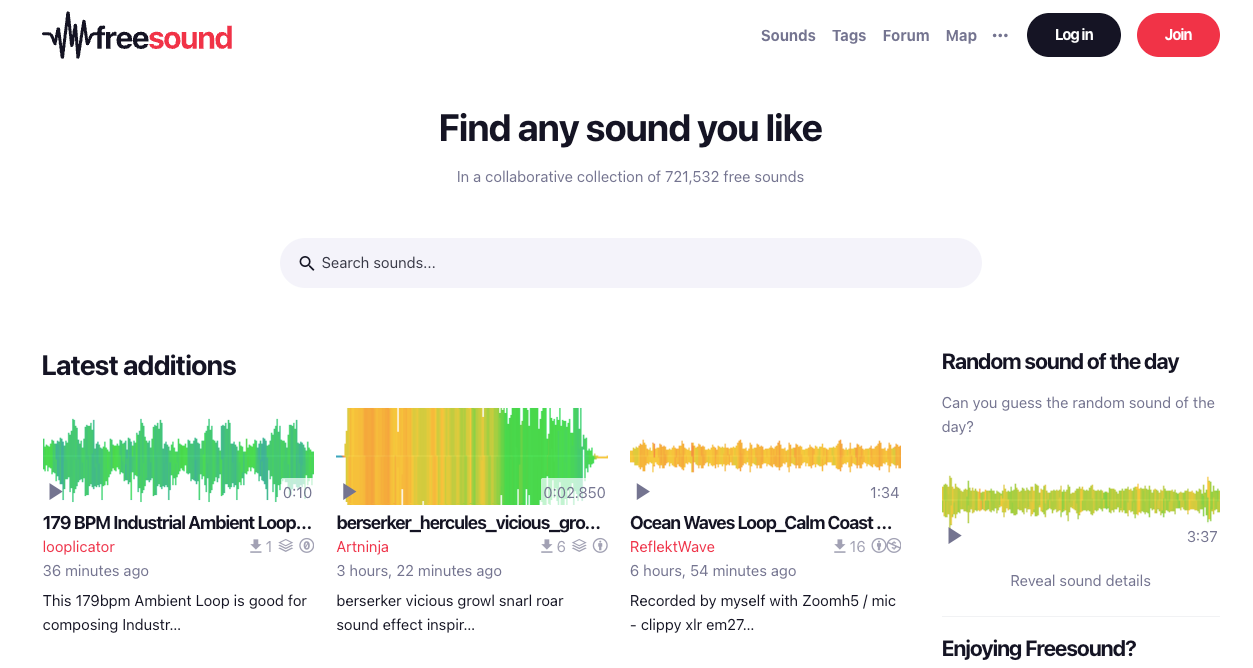
Target: 30–60 seconds of audio. Any longer and you lose the format's mechanism. Layer SFX (underwater bubbles, distant explosions, slightly too-loud dramatic music — royalty-free versions on Freesound and Pixabay). Sync captions.
Edit for Attention-Grab Pacing
The first 2 seconds determine everything. TikTok's 2026 algorithm now requires roughly 70% completion rates to push content wider — up from 50% in 2024. For brainrot, your opening frame needs to be the most visually bizarre thing in the video. Start with the creature, mid-action. Not a title card.
Cut length: 1.5–2 seconds average. Captions: roughly 60% of vertical screen real estate. Background audio: present enough to feel chaotic, not so loud it overwhelms narration.
Prompt Formulas That Get the "Brainrot" Look
Clean, photorealistic output actively hurts this format.
Image generation: uncanny hybrid creature, sloppy AI aesthetic, flat color palette, slightly distorted proportions — add film grain, slight motion blur, compressed JPEG artifact quality to push the aesthetic further.
I2V motion: subtle movement only, creature blinks and twitches, not cinematic, low-budget animation quality
Narration script rules: No uncertainty adjectives — every statement sounds definitive. Use specific absurd numbers: "runs at exactly 847 km/h." Names should be rhythmically satisfying to say aloud. Tralalero Tralala works because it's pleasurable to repeat.
Platform and Monetization Risks
TikTok Low-Quality Content Flags
Here's the part most brainrot tutorials skip. The TikTok algorithm in 2026 is niche-focused and more selective than previous years. Accounts posting identical-structure brainrot five times a day are seeing declining reach faster than in 2024–2025. The differentiator: variation. Different creatures, different narrative arcs, different audio design — not the same prompt with a new character name swapped in.
Treat each video as a creative decision, not a production run.
YouTube Monetization on AI Brainrot Channels
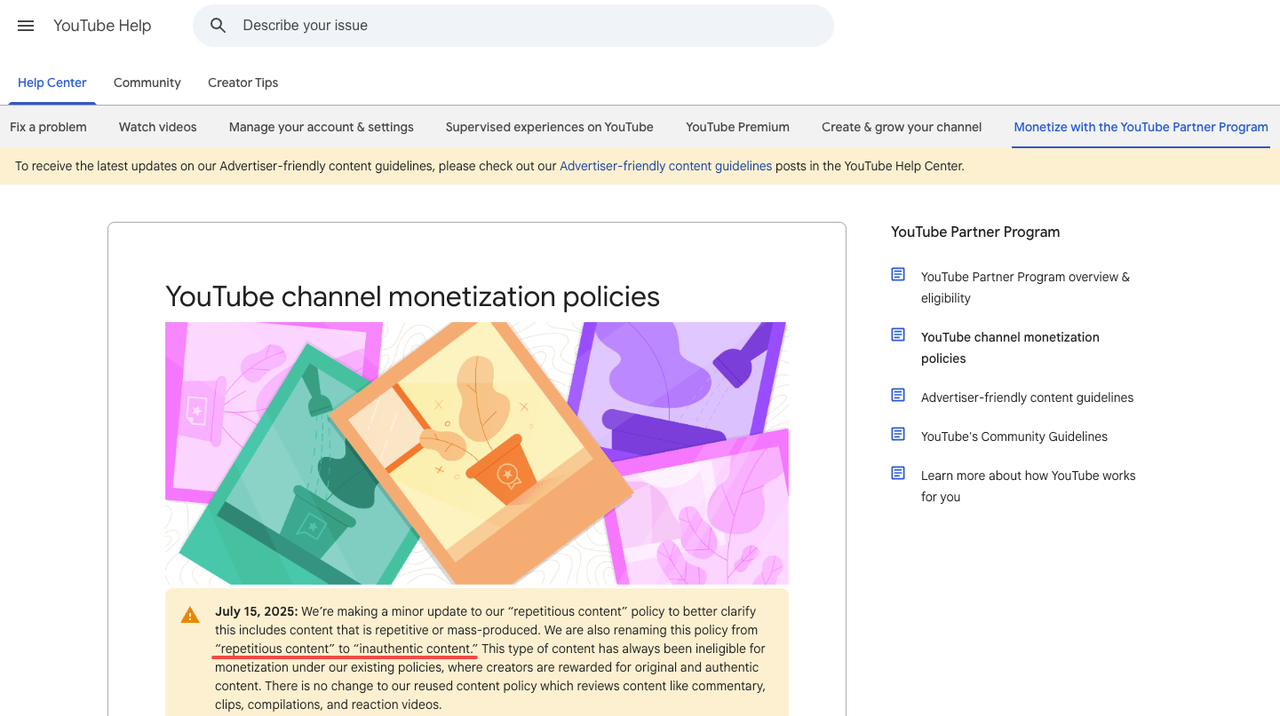
This one has real consequences. YouTube's July 2025 policy update renamed "repetitious content" to "inauthentic content" and expanded enforcement scope. Mass-produced AI brainrot — same format, synthetic narration, no human editorial input — is the primary target. In January 2026, sixteen channels with a combined 4.7 billion views lost YouTube Partner Program status in one sweep.
What survives: original character decisions, a recognizable narration style, variation that can't be explained by swapping template variables. What gets flagged: high-volume repetition, AI narration with no personality, characters that feel like they came from the same prompt.
Trend Fatigue — When the Format Stops Working
Italian brainrot's peak was probably Q1 2025. The format still gets views, but novelty compression is visible — Tralalero Tralala became a Fortnite skin, which means you're inside the culture now, not ahead of it.
Brainrot as a structural format isn't done. The specific Italian brainrot aesthetic is maturing, which is historically when the next mutation emerges. Channels building for longevity are using brainrot's structural logic — absurdism, documentary sincerity, uncanny visuals — to develop original character universes rather than remixing established ones.
The question for mid-2026: am I building something with a recognizable creative identity, or am I making the 40,000th Bombardiro Crocodilo video?
FAQ
Can I monetize brainrot on YouTube? Yes — if you use original characters, genuine creative variation, and visible human editorial input. Pure template-repeated AI brainrot is exactly what YouTube's inauthentic content policy targets.
Will TikTok shadowban brainrot content? Not categorically, but high-volume, low-variation AI brainrot sees suppressed distribution in 2026. Variation is your protection.
Best free tool for brainrot? Adobe Firefly or DALL-E via Bing Image Creator for images; ElevenLabs free tier for narration; NemoVideo's free plan for editing and captions. The I2V step is the real bottleneck — Kling AI and Hailuo both offer trial credits worth testing first.
IP risks with Skibidi and Italian brainrot characters? Skibidi Toilet IP is owned by DaFuq!?Boom!; Italian brainrot characters have identifiable original creators. Non-commercial fan content is generally tolerated, monetizing it is not. Safest path: original characters inspired by the aesthetic, not direct reproductions.
Conclusion
The mechanical parts of brainrot — character generation, I2V animation, TTS, captions, audio layering — are all solvable with the current AI stack. What's changed since 2024 is that solving the mechanical parts is table stakes. Differentiation is entirely in creative decisions: original characters, a recognizable narration voice, variation that proves a human is driving something.
The workflow works. The tools are there. Just make something weirder than the last person.
Previous Posts: